
 +86-15916242887


News


Common Mode Choke Inductors in Communication Systems
2026-03-23
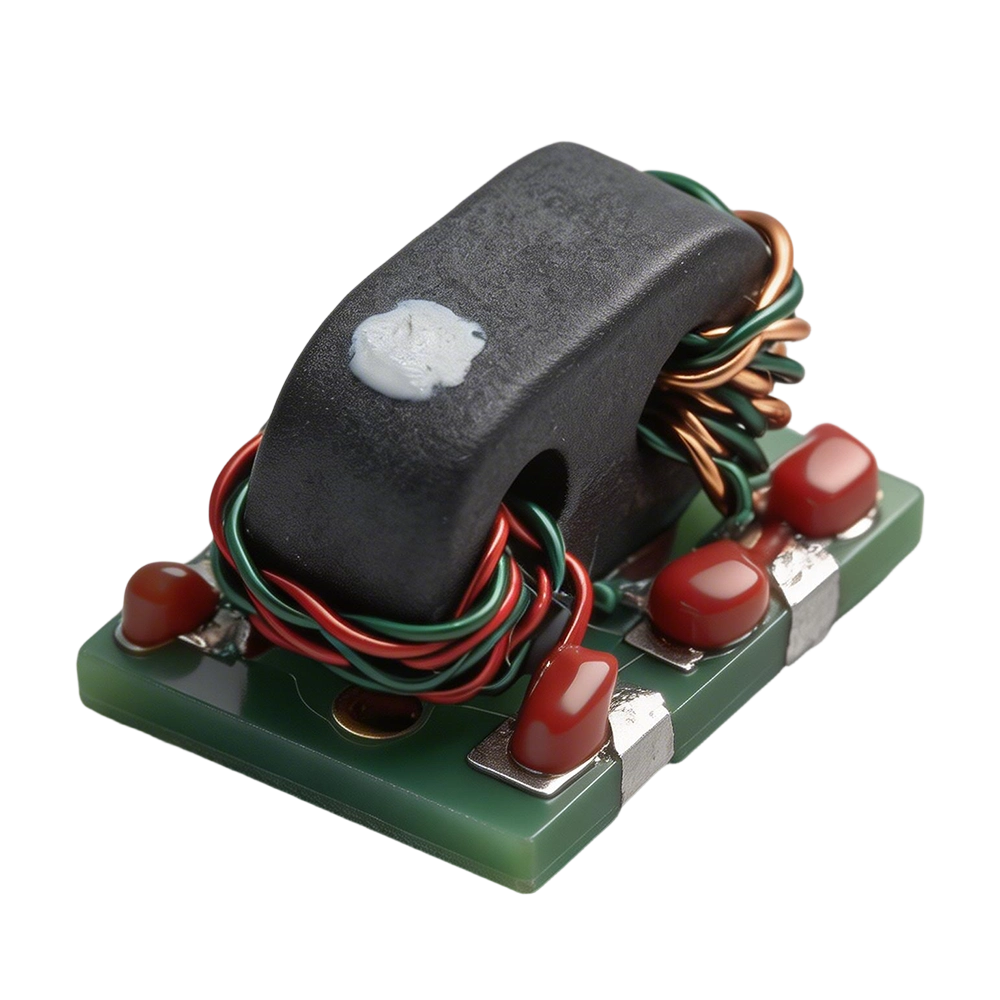
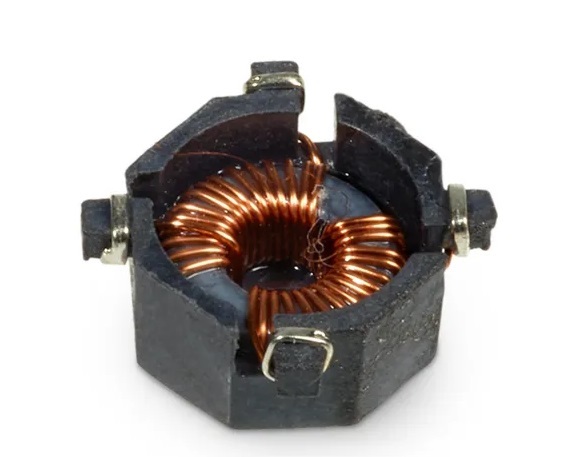
Effective communication systems rely heavily on stable, high-quality transmitted signals. One key component that ensures signal quality is the common mode choke—a special type of inductor. These devices play a critical role in filtering out unwanted noise and interference, especially in RF (radio frequency) and VHF (very high frequency) ranges. For engineers and researchers, understanding how Common Mode Chokes are structured, how they work, and where they’re used in communication systems is essential. This article explains the importance of common mode choke inductors in modern communication technologies, in simple terms.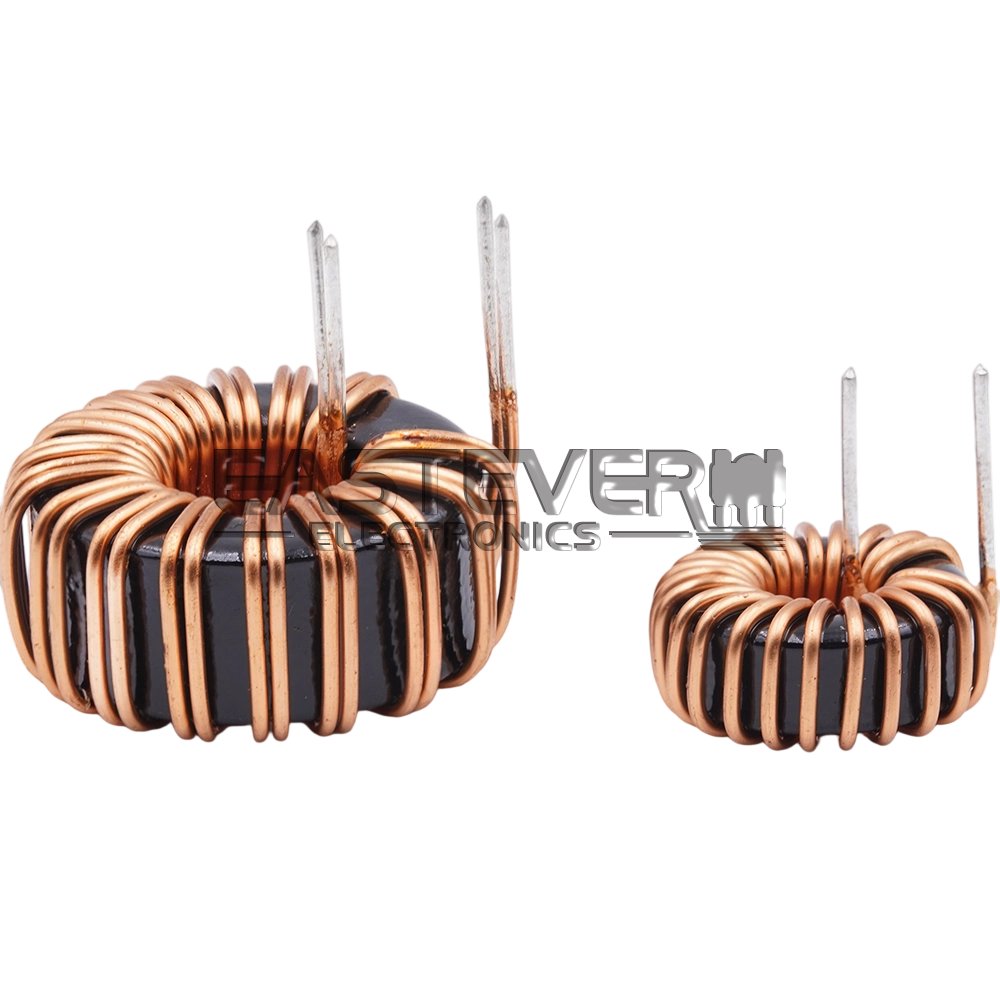 What is a Common Mode Choke?
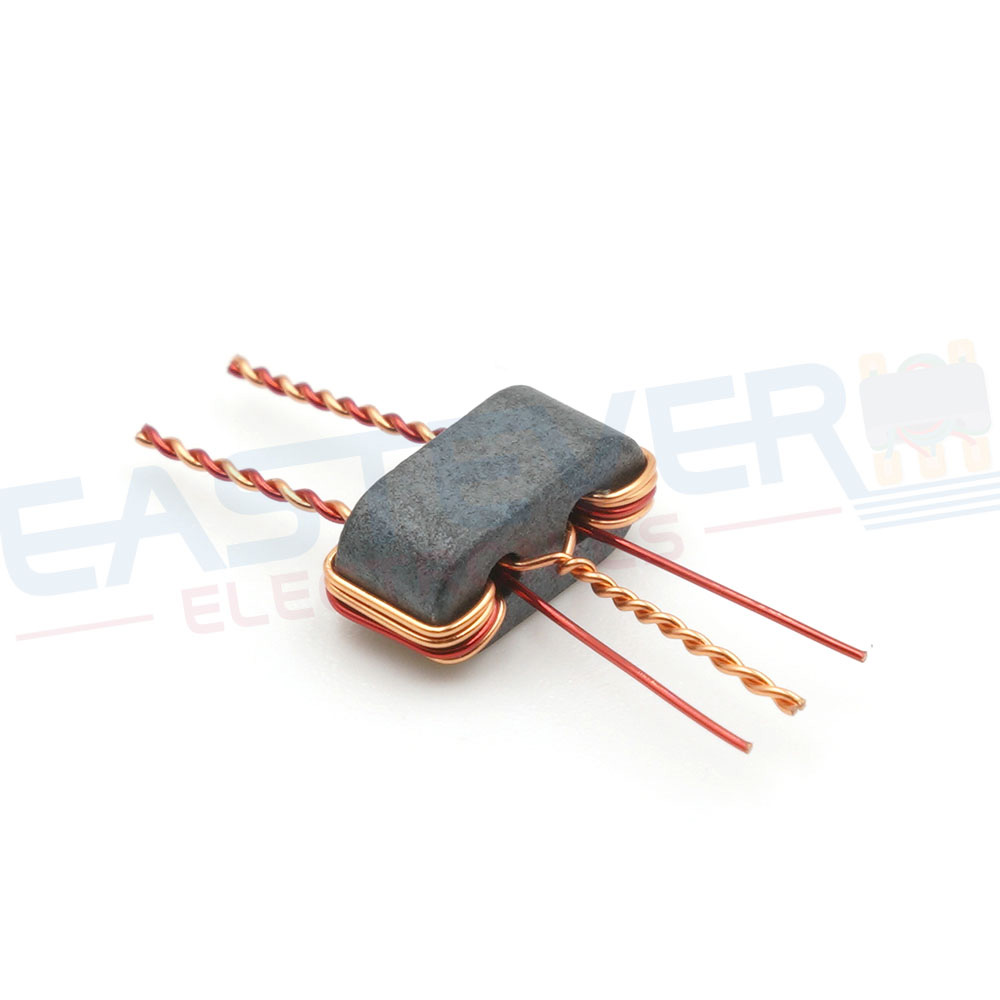
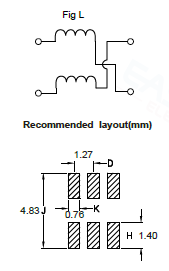
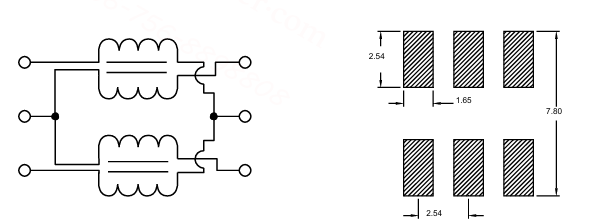
A common mode choke is a special kind of inductor designed to filter out “common mode signals”—that is, noise or interference that shows up at the same time and in the same phase on both lines of a cable. Its job is to block these unwanted signals (by having high resistance to them) while letting the useful communication signals (called “differential signals”) pass through with almost no loss.
The Role of the Inductor in a Common Mode Choke
The inductor part of a common mode choke stores energy in its magnetic field, which helps resist sudden changes in electric current. As the frequency of a signal increases, the inductor’s resistance (called “impedance”) also increases. This makes it perfect for RF and VHF applications, where it can block high-frequency interference effectively.
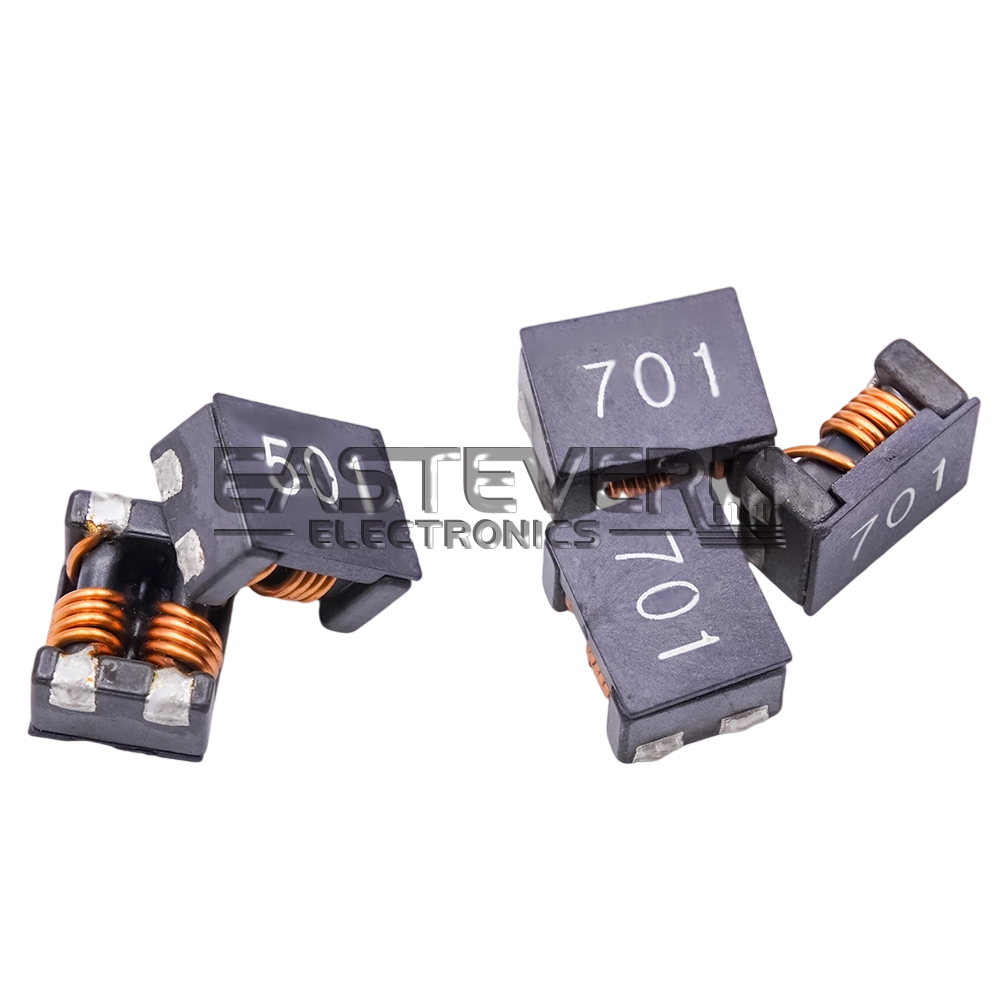
Common Mode Chokes Matter in Communication Systems
Enhancing Signal Integrity
In communication systems, keeping signals “clean” (free from interference) is crucial. Common Mode Chokes reduce electromagnetic interference (EMI) and radio frequency interference (RFI)—two types of noise that can make voice, data, or video signals unclear. By filtering out this noise, the chokes help ensure clearer, more reliable signals.
Reducing Electromagnetic Interference
There are international standards for “electromagnetic compatibility (EMC)”, which limit how much noise a device can emit and how sensitive it is to external noise. Adding Common Mode Chokes to communication devices helps manufacturers meet these EMC standards, making it easier to get approval to sell their products in markets around the world.
Where Common Mode Chokes Are Used in Communication
RF Communication Systems
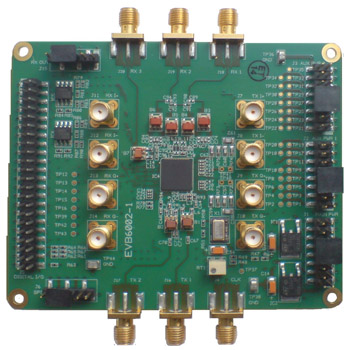
In RF communication (such as radio and wireless signals), Common Mode Chokes are a key part of filtering circuits. They make sure the signals sent through antennas are free from interference, which improves how efficiently and clearly the signals are transmitted.
VHF and UHF Radio
In VHF and UHF radio systems (used for things like walkie-talkies and some TV broadcasts), Common Mode Chokes help suppress “parasitic signals” (unwanted extra signals). Their resistance characteristics are well-matched to these frequency ranges, so they can protect the integrity of the transmitted data.
Ethernet and Data Transmission
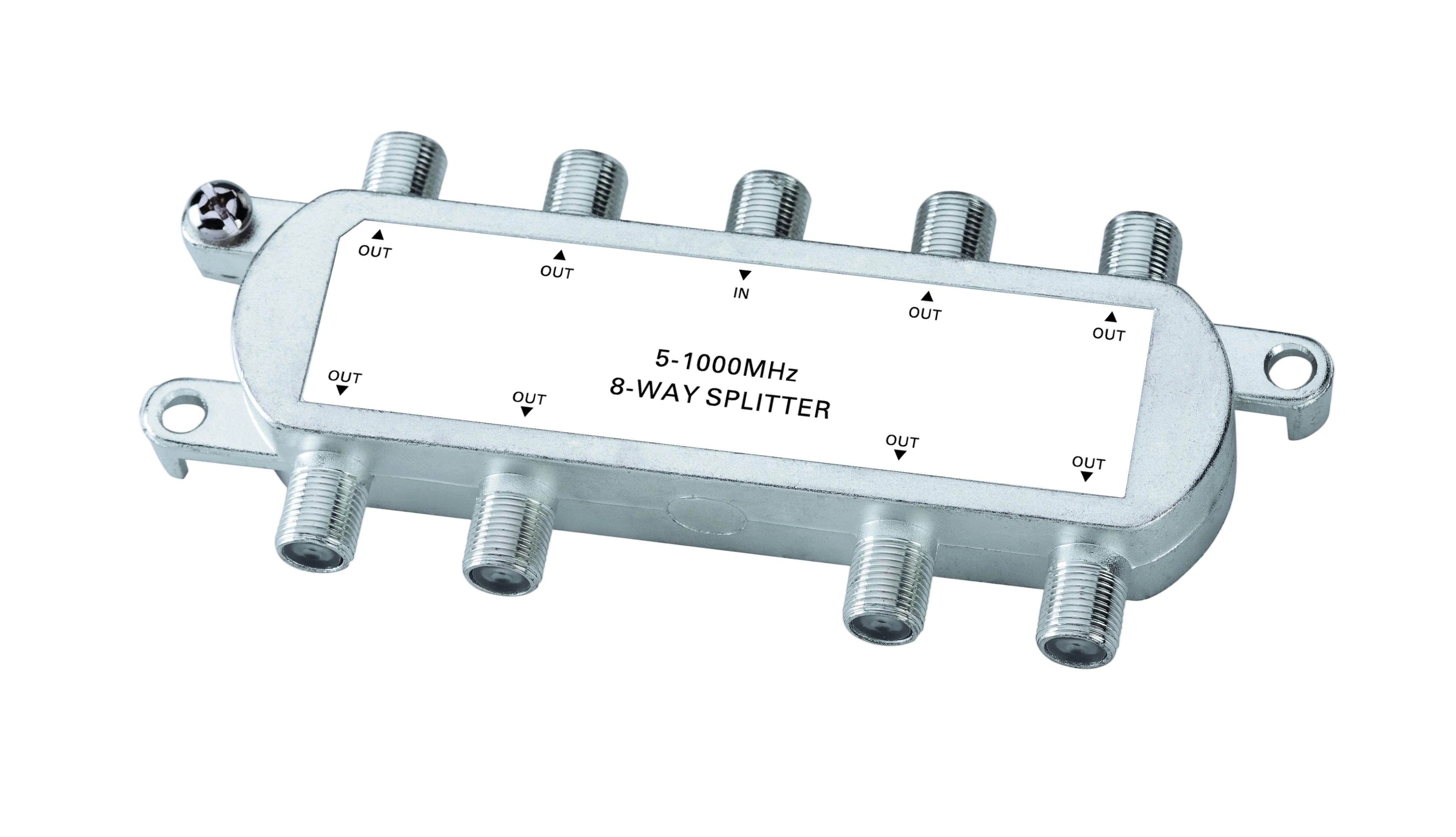
Ethernet cables (used for wired internet) often use Common Mode Chokes to prevent external interference from damaging data packets. This makes wired networks more reliable, as data is less likely to be corrupted during transmission.
Power Lines in Communication Devices
Power lines can act like antennas, picking up and transmitting noise between devices. Common Mode Chokes installed in the power supplies of communication equipment reduce this noise, ensuring the devices operate stably.
Key Considerations When Designing Common Mode Chokes for Communication
1.Frequency Range Compatibility
2.When choosing a common mode choke, it’s important to match its resistance characteristics to the target RF or VHF frequency range. A well-designed choke will block the most interference without affecting the useful signals.
Core Material and Geometry
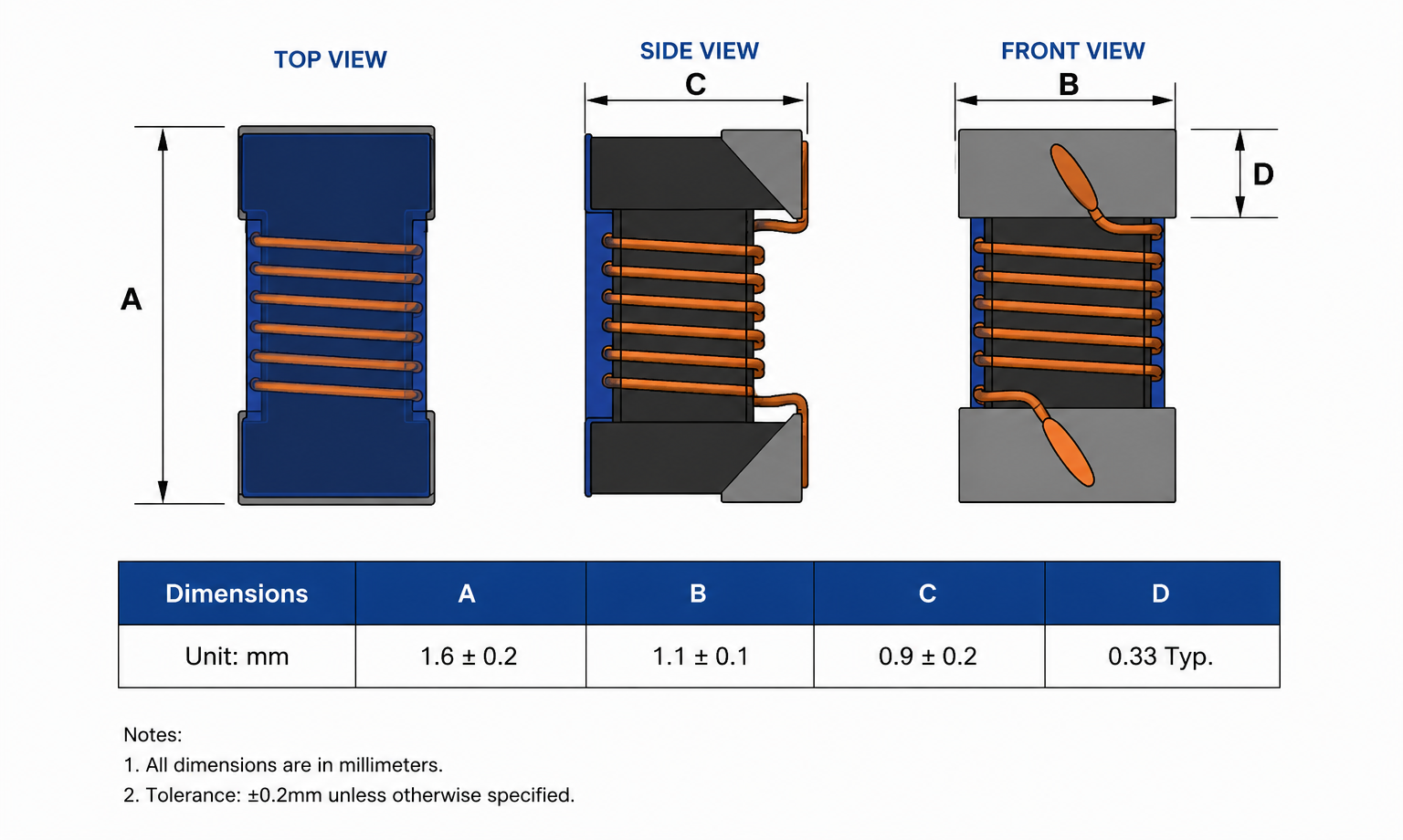
3.The material of the magnetic core affects how the inductor works at high frequencies. Ferrite cores are commonly used in RF applications because they have high “permeability” (the ability to support a magnetic field). The shape and arrangement of the coil also affect the inductor’s performance, including its inductance (ability to store magnetic energy) and unwanted capacitance.
4.Impedance and Insertion Loss
Integrating common mode chokes into multi-functional modules will simplify circuit design. This integration will not only improve performance but also make manufacturing easier and cheaper.
Common mode choke inductors are essential for improving the performance of communication systems. Their ability to block RF and VHF noise while letting useful signals pass through makes them irreplaceable. As communication technology advances—with faster speeds and more compact devices—common mode chokes will also evolve, driven by new materials, miniaturization, and integration techniques.
For anyone involved in designing or maintaining communication systems, understanding how common mode chokes work is key to ensuring reliable, high-quality signal transmission. choosing EASTEVER electronic to custom common mode choke is worth to trust. 